Building a Digestive-Friendly Diet for Dogs
When it comes to a dogs’ digestive health, trying to create a gut-friendly diet is really important. The correct ingredients and preparation methods help…
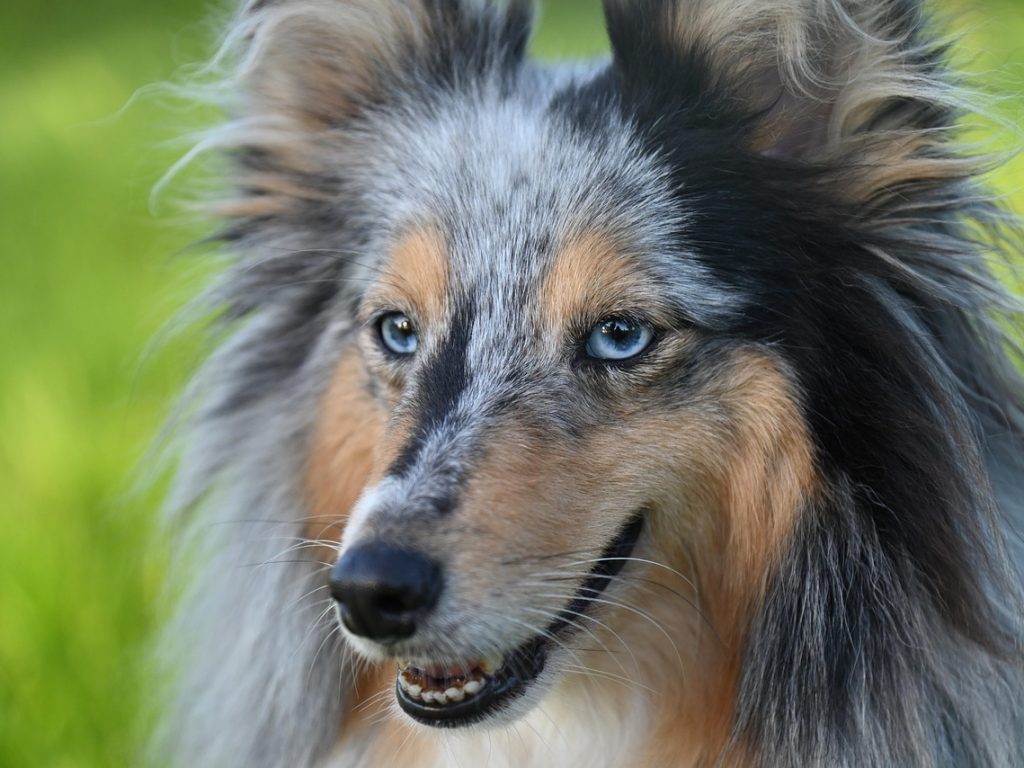
Shetland sheepdog, dog, animal — Building a Digestive-Friendly Diet for Dogs
When it comes to a dogs’ digestive health, trying to create a gut-friendly diet is really important. The correct ingredients and preparation methods help prevent stomach issues. Here, then, are a few tips to help you create an easily digestible nutrition plan for your canine friend.
Understanding Digestion
The complex digestive systems of dogs see food travel from the mouth, through the esophagus, to the stomach. It then combines with acids and enzymes for the initial breakdown. Most of the nutrients are absorbed in the small intestine, while the large intestine deals with water and stores waste for elimination. While proper digestion extracts all the necessary nutrients, an unsuitable diet can cause issues including vomiting, diarrhea, and excessive gas by disrupting this process.
Identifying and Avoiding Triggers
Certain ingredients do not agree with some pups. Common culprits are:
- Fatty foods, which may trigger pancreatitis.
- Milk products, which can cause diarrhea since dogs lack enough lactase enzymes to digest them.
- Wheat or grain sensitivities, a common cause of issues.
- Too many rich treats, which can lead to stomach upsets.
Paying attention helps identify if specific foods seem to flare up digestive issues.
Key Areas to Focus On
Crafting the right diet involves getting the basics right across four key areas.
Ingredients
Dog foods should be based in quality proteins like chicken, turkey, eggs, beef, and fish. Moreover, you should go for whole foods over by-products. Try to incorporate digestible grains like brown rice and oatmeal, and go for healthy natural fats like olive or fish oil. Add in produce like sweet potatoes, carrots, peas, and apples. The experts over at Nextrition say these gut healthy dog food components fuel healthy digestion.
Portion Control
Follow label guidelines to prevent overfeeding as obesity stresses the digestion system. Puppies need more food per pound than adults while highly active dogs require more calories. Portion for the individual dog based on age, size, activity level and health status.
Meal Schedule
Feed at consistent times. Routines allow the GI system to optimize digestion. Two to three small meals spaced across the day are ideal for most dogs. Remove food between meals as grazing triggers intestinal gas and diarrhea by allowing excess fermentation.
Hydration
Water supports digestion, nutrient absorption, and waste removal. Make fresh water abundantly available and increase offerings in hot weather or when exercising. Add moisture to kibble. Canned food or soaking dry kibble before serving provides over 70% water to aid digestion. Broths and unseasoned cooked vegetables mixed in also boost hydration.
Special Considerations
Certain dogs need tailored nutrition plans. Puppies eat 3-4 small meals daily until age six months. Senior dogs may need nutrient adjustments plus easily digestible food. Dogs with food allergies require elimination diets guided by a veterinarian. Working dogs and those with chronic digestive conditions also benefit from specialized meal plans.
Tips for Transitioning Food
When changing foods, mix in increasing amounts of the new brand over 5-7 days. Gradual shifts allow the digestive tract to adapt. If adding supplements, introduce individually then closely monitor stool quality and watch for new symptoms like diarrhea, constipation or vomiting during transitions. Slow down or reverse if digestion seems very disrupted.
Ongoing Assessment
Continuously evaluate if the diet helps or harms digestive health. Excellent markers include normal, well-formed stools, minimal gas, and no stomach gurgling or pain behaviors. Skin and coat condition also indicate nutrient absorption and hydration levels. Keep adjusting until you find the optimal diet.
Conclusion
Crafting a gut-friendly, tailored diet promotes optimal canine digestive health. Monitoring reactions allows adjustments. Proper nourishment supports comfortable digestion for a thriving dog.